| |


|
MTA Environmental Facts
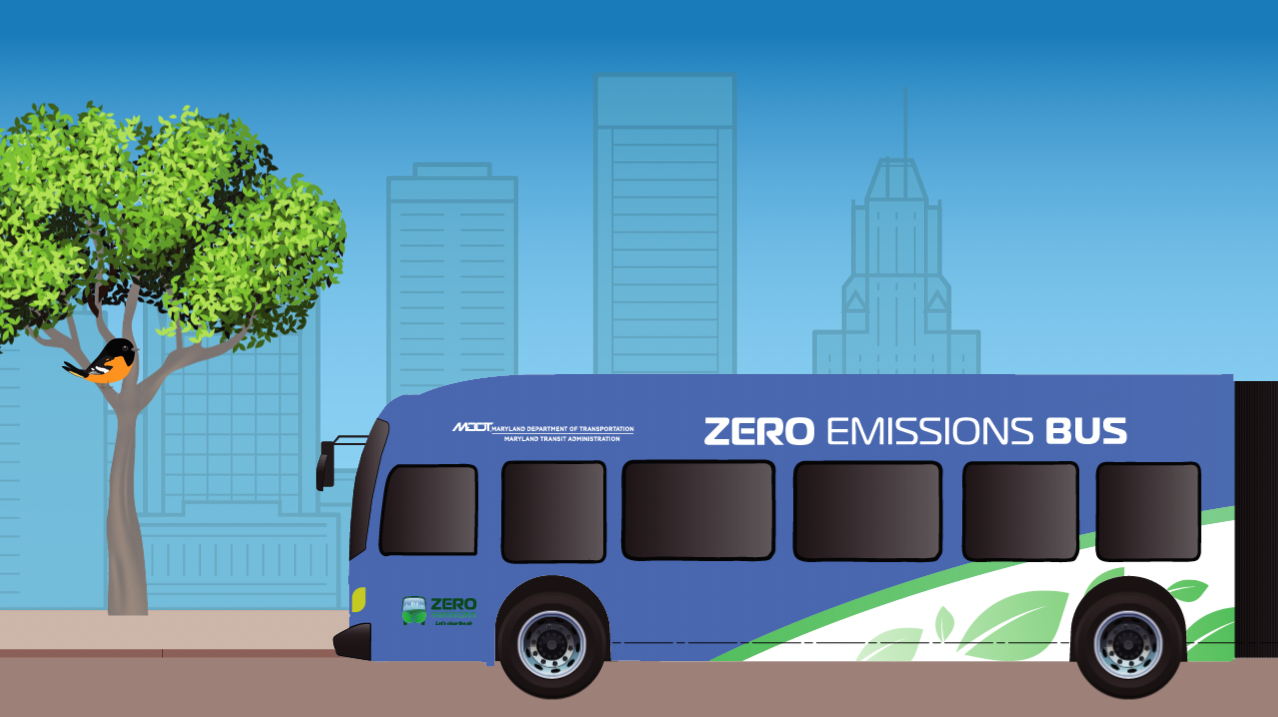
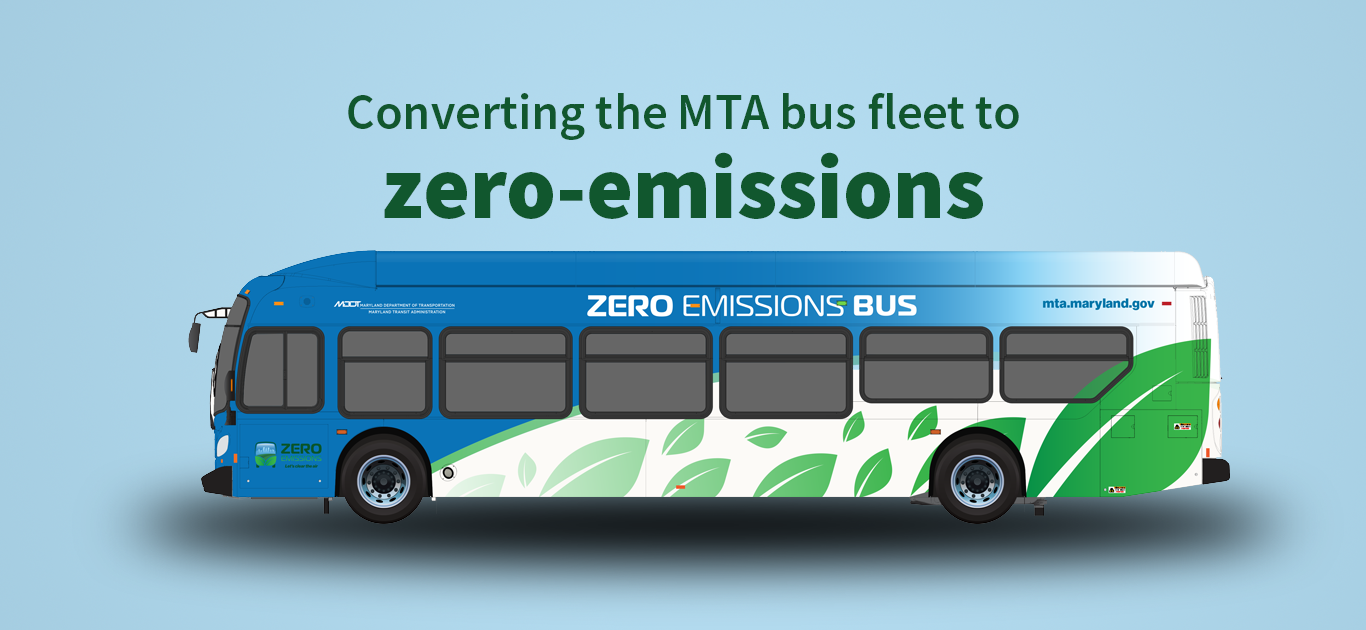
MTA currently operates 10 hybrid diesel-electric buses that consume 23% less fuel than conventional buses. Over the next decade or so MTA will replace its entire Local Bus fleet with hybrids. The first of thirty 60-foot “articulated” (accordion-style) hybrid buses will start arriving in early 2009.
- MTA is transitioning to 5% biodiesel in its bus operation which not only reduces emissions but increases U.S. energy security by utilizing domestically-produced vegetable oils.
- All 219 MTA “New Flyer” buses, as well as all new hybrids, are equipped with particulate traps on the exhaust systems, catching up to 90% of all soot and harmful particles. These buses also have an idle shut down feature that turns the bus off after idling more than 10 minutes.
- MTA encourages bicycling by allowing bikes on Metro and Light Rail, and by installing front-mounted bike racks on Local Buses. By fall 2008 the entire local bus fleet will be equipped with racks. Folding bikes are allowed on MARC Train.
-
MTA Light Rail and Metro Subway cars are powered with electricity which produces no local air pollution.
- The average MARC Train carries 975 passengers, removing more than 850 cars from the highways.
- MTA is replacing 26 diesel MARC Train locomotives with new models that meet stringent new EPA requirements for all types of pollutants. The new locomotives will reduce emissions of nitrous oxide by 42%, carbon monoxide by 70% and particulates (like soot) by 67%.
- New high efficiency lighting at Metro Subway stations uses 40% less energy.
- The MTA Police use a variety of energy-efficient vehicles, including three electrically-powered patrol scooters, a bicycle, a Honda Civic hybrid, and two sedans and six SUVs that can be powered with ethanol.
-
The new Kirk Avenue Bus Division in northeast Baltimore City will be MTA’s first “green” building, incorporating a variety of advanced design features that reduce energy consumption as well as noise and pollution in the adjacent community.
- MTA partners with the Jones Falls Watershed Association (JFWA), an environmental group that works to protect and restore the health and beauty of the Jones Falls Watershed. MTA has installed informational signs about the Watershed Project at all Light Rail stops along the Jones Falls to help spread the word about JFWA and the environmental benefits of using public transit.
- MTA is helping to ensure the safety of Maryland’s tributaries, waterways, and drinking water sources by replacing underground fuel storage tanks with above ground tanks at all of its bus divisions.
- The MTA Print Shop uses only soy-based inks, which not only reduce pollution when they are manufactured, but also reduce health hazards for employees.
- Water is captured, filtered and recycled in all MTA bus wash houses.
- MTA has developed and implemented environmental training programs for employees, including stormwater pollution prevention and environmental hazard awareness.
- MTA funds programs throughout the State that promote ridesharing. Carpooling with just one person cuts your commute costs in half and reduces harmful CO2 emissions. Even greater savings are realized when you carpool or vanpool to a Park & Ride lot served by MTA Commuter Bus or MARC Train!.
|
|
|
|